

How Long Does Sentinel Need to Stay Down for Dogs: Dosage, Timing & Tips

Sentinel is a monthly prescription medication that protects dogs from heartworms, fleas, and several intestinal parasites. It’s important to give it consistently and correctly to keep your dog fully protected.
In this blog, I will cover how long Sentinel needs to stay down, how to give it properly, and tips to ensure it works as intended.

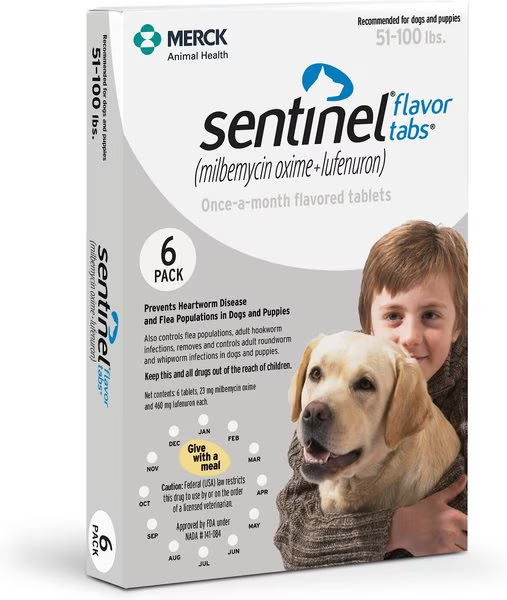
What is Sentinel
Sentinel is an oral monthly medication prescribed to dogs to prevent a range of parasites. It’s known for offering broad-spectrum protection in a single dose. It combines two active ingredients: Milbemycin oxime – protects against heartworm and intestinal worms and Lufenuron – prevents flea eggs from developing.
There are two main versions:
- Sentinel Flavor Tabs – contains milbemycin oxime and lufenuron
- Sentinel Spectrum – includes a third ingredient, praziquantel, which adds tapeworm protection
What Does Sentinel Protect Against?
Sentinel Flavor Tabs help prevent and control several internal and external parasites. They protect against heartworm, flea eggs, roundworms, hookworms, and whipworms. This makes them a convenient option for monthly use.
Sentinel Spectrum includes all of the above protections but also adds one more: tapeworm prevention. This is due to the added ingredient praziquantel, which targets tapeworms specifically.
Important: Sentinel does not kill adult fleas. Instead, it prevents flea infestations by stopping eggs from hatching. If your dog already has fleas, you’ll need an additional product to kill the adult fleas quickly.

How Sentinel Works
Sentinel acts systemically in your dog. It contains multiple active ingredients that target different pests in different ways.
Milbemycin oxime is a neurotoxin for parasites. It disrupts the nervous system of heartworms, hookworms, roundworms, and whipworms, causing paralysis and death in these parasites. Lufenuron stops fleas from reproducing. It makes it impossible for flea eggs and larvae to grow into adult fleas. It doesn’t kill adult fleas, but it breaks the flea life cycle so the infestation eventually ends.
Both ingredients have been proven safe for dogs when used at the recommended dosage and frequency. Side effects are rare but can happen, as with any medication.

Recommended Duration
Sentinel should be given once a month, year-round. It is not a seasonal medication. Even during colder months, vets recommend keeping dogs on Sentinel to prevent surprise outbreaks and reinfection.
Why Year-Round Use Is Important
Monthly use is simple, safe, and essential to avoid serious health problems. Skipping Sentinel during certain months can leave your dog exposed to parasites. If you miss even one dose, your dog could be at risk. Puppies can begin receiving it at four weeks of age to stay healthy and pest free.
Fleas and intestinal worms don’t disappear in winter. Fleas can survive indoors, and pets can pick up worm eggs from contaminated soil, parks, or other animals year-round. Also, heartworm takes months to develop inside a dog. If you stop prevention, your dog might become infected without showing signs until it’s serious.
Keeping your dog on monthly Sentinel all year:
- Avoids gaps in protection
- Stops new flea infestations before they start
- Prevents dangerous heartworm disease
- Controls roundworms, hookworms, and whipworms
Love dogs? Check out all of my dog blogs here!
Factors Affecting Duration
The duration of Sentinel’s effect can vary from dog to dog. While the product is designed to work for about 30 days, certain factors may influence how long it stays active or how the body processes it.
1. Overall Health
Healthy dogs may metabolize the medication more efficiently, possibly shortening its duration. Dogs with underlying health issues, especially liver or kidney problems, might process Sentinel more slowly. Always consult your vet if your dog has health conditions that could affect how medications work.
2. Age of the Dog
Puppies often have fast metabolisms and may break down the drug quicker. Senior dogs may have slower organ function, which could extend how long the medication stays in their system. As dogs age, their body’s ability to handle medications can change. Monitor any shifts in behavior or health.
3. Breed Differences
Large breeds may take longer to fully process the drug due to slower metabolic rates. Small breeds often metabolize medications faster, which might reduce the duration slightly. Metabolism can also vary within breeds, so it’s best to ask your vet for breed-specific advice.
4. Other Medications
If your dog is taking additional medications, they may interact with Sentinel or affect how it’s broken down. Some drugs can speed up or slow down metabolism, altering the drug’s effectiveness.
5. Weight and Dosage
Sentinel comes in different doses based on weight. Giving the correct dose is important for proper timing and protection. Underdosing or overdosing can impact how long it works and how safe it is.

Administering Sentinel
Sentinel must be given based on your dog’s weight. The product comes in multiple weight ranges. Always match the dose to your dog’s current weight.
- Never guess the dosage.
- If unsure, weigh your dog before giving the medication.
- Overdosing can cause side effects.
- Underdosing may leave your dog unprotected.
Always follow your veterinarian’s instructions. They may adjust dosing if your dog has health issues, is on other medications, or is growing (as in puppies).
Give Sentinel once a month on the same date. Set a calendar reminder or use a pet medication app. Skipping doses can leave your dog unprotected against heartworm and parasites.
Keep Sentinel in a cool, dry place, and out of reach of children and pets. Exposure to heat or moisture can reduce its effectiveness.
Give it With Food
Sentinel should be administered with a full meal. This helps improve absorption of lufenuron, one of its key ingredients.
You can place the tablet directly in your dog’s food. If your dog is picky, hide it in a treat like cheese or peanut butter. Monitor to make sure your dog actually swallows the full dose.

Monitoring Your Dog
If Sentinel is working properly, your dog should show no signs of intestinal worms. Improvements may include firmer stools, increased energy, and healthier coat condition. While you won’t see immediate visible results, over time, you should notice that your dog remains healthy and free of parasites.
It’s important to observe your dog after each dose for any behavioral or physical changes. This helps catch health issues early and ensures the medication is effective.
Be Aware of Possible Side Effects
Some dogs may experience mild side effects after taking Sentinel, especially within the first 24–48 hours. Common reactions include vomiting, diarrhea, and loss of appetite. Less common side effects may include itching or skin rash, lethargy, or excessive drooling.
If symptoms are severe, persistent, or unusual, contact your veterinarian immediately. Always report any side effects to your vet, especially if it’s the first time your dog is taking Sentinel.
Addressing Concerns
If your dog seems uncomfortable, act fast. Constant vomiting, diarrhea, or lethargy are red flags. These could need immediate treatment.
If symptoms last more than 24 hours, contact your veterinarian. Early action can prevent serious complications. Your vet will know the best steps to take.
Some dogs may experience an upset stomach or mild skin irritation. Keep your dog in a quiet, relaxing space. Make sure they have plenty of fresh water.
If your dog shows signs like trouble breathing or collapses, call the vet immediately. Quick response can save your dog’s life. Always follow your vet’s instructions for treatment and care.

Frequently Asked Questions: How Long Does Sentinel Need to Stay Down for Dogs
Here are some frequently asked questions regarding “How Long Does Sentinel Need to Stay Down for Dogs” along with my answers.
How Long Does Sentinel Last For Dogs?
One dose of Sentinel provides protection for 30 days. It must be given once a month, year-round to maintain continuous protection against heartworms, fleas (eggs/larvae), and intestinal parasites.
When Can Sentinel Be Given To Puppies?
Sentinel can be given to puppies as young as 4 weeks old, as long as they weigh at least 2 pounds. Always consult your veterinarian before starting any medication to ensure it’s appropriate for your puppy’s age, weight, and health status.

What If I Overdose On Sentinel?
If your dog accidentally receives more than the prescribed dose of Sentinel, contact your veterinarian or an emergency animal poison control center immediately. While Sentinel has a wide safety margin, overdose can cause side effects such as vomiting, diarrhea, drooling, lack of coordination, or tremors in some dogs
Does Sentinel Cover Fleas in Its Coverage?
Yes, Sentinel protects against fleas, but in a specific way. It does not kill adult fleas. Instead, it prevents flea eggs from hatching and stops the development of immature fleas. This breaks the flea life cycle and helps control infestations over time.

Final Thoughts: How Long Does Sentinel Need to Stay Down for Dogs
Sentinel plays a vital role in protecting your dog’s health. Always follow your veterinarian’s guidance on dosage and timing. Make sure your dog completes the full treatment and stays on schedule. Routine check-ups help you track progress and catch any issues early. Staying consistent is the key to effective parasite prevention.
Keep observing your dog after each dose, and note any changes. If you’ve found a helpful dosage schedule or tip, feel free to share in the comments.
A little extra attention goes a long way in keeping your dog happy and healthy.


